The linear economy has a simple logic: take resources from the ground, make products, use them, and dispose of them as waste. For most of human history, this model worked because resources seemed limitless and waste seemed harmless. Neither assumption holds any longer.
Why the Linear Model Is Failing
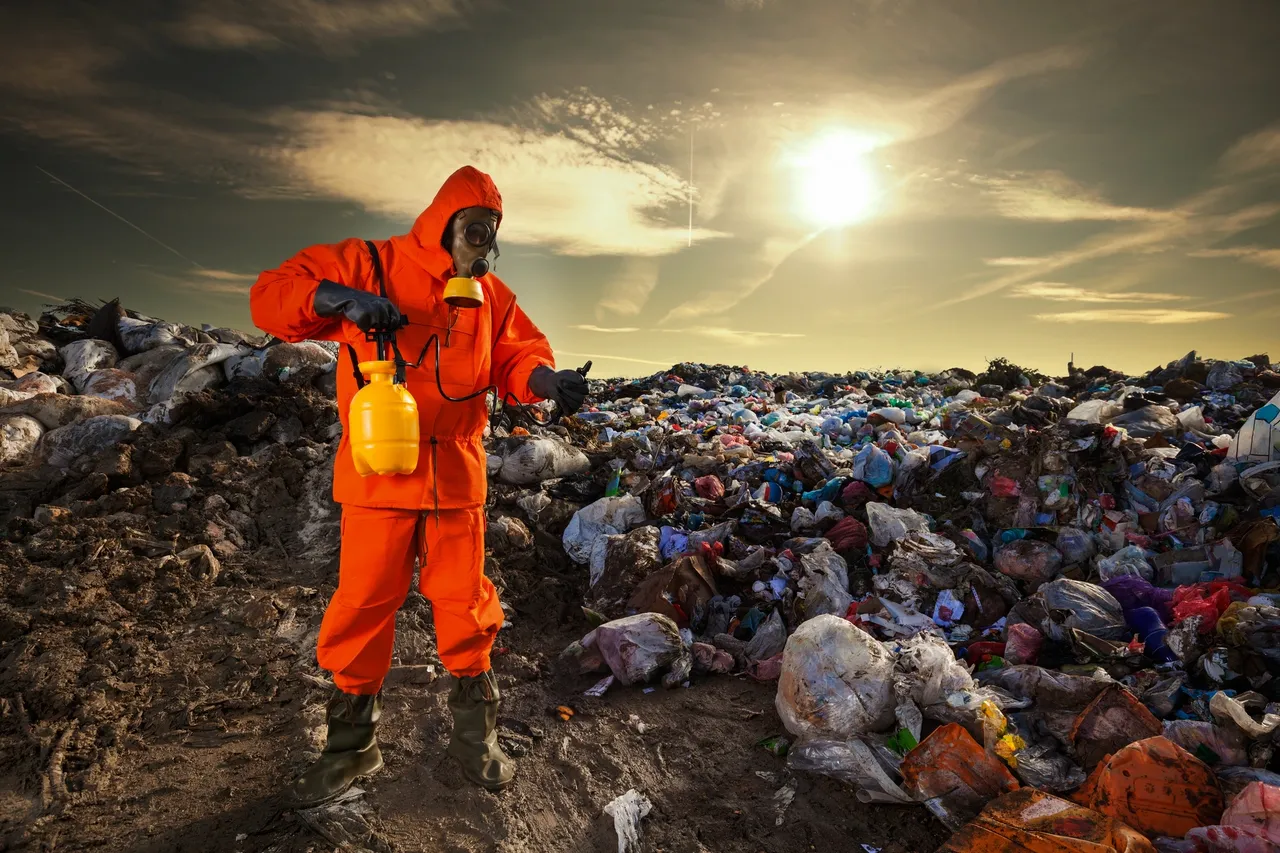
The evidence of the linear economy's limits is visible across India: rivers choked with plastic, landfills that have exceeded capacity, air pollution from open burning of waste, and groundwater contaminated by leachate from unlined dumps. At the same time, the costs of virgin materials - sand, aggregates, metals, plastics - are rising as accessible deposits are depleted.
The economic logic is equally compelling. India spends an estimated ₹80,000 crore annually managing waste - a cost that delivers no productive value. Much of what goes to landfill or incineration has recoverable value that the current system simply writes off.
What the Circular Economy Offers
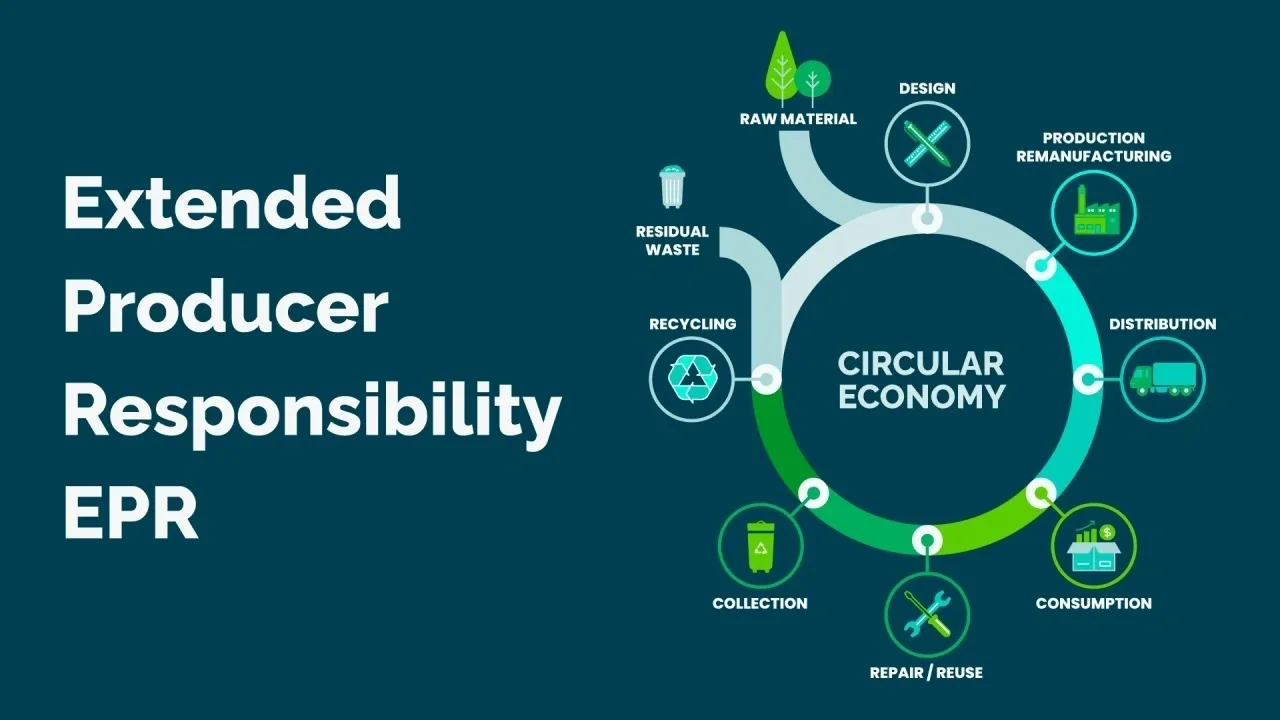
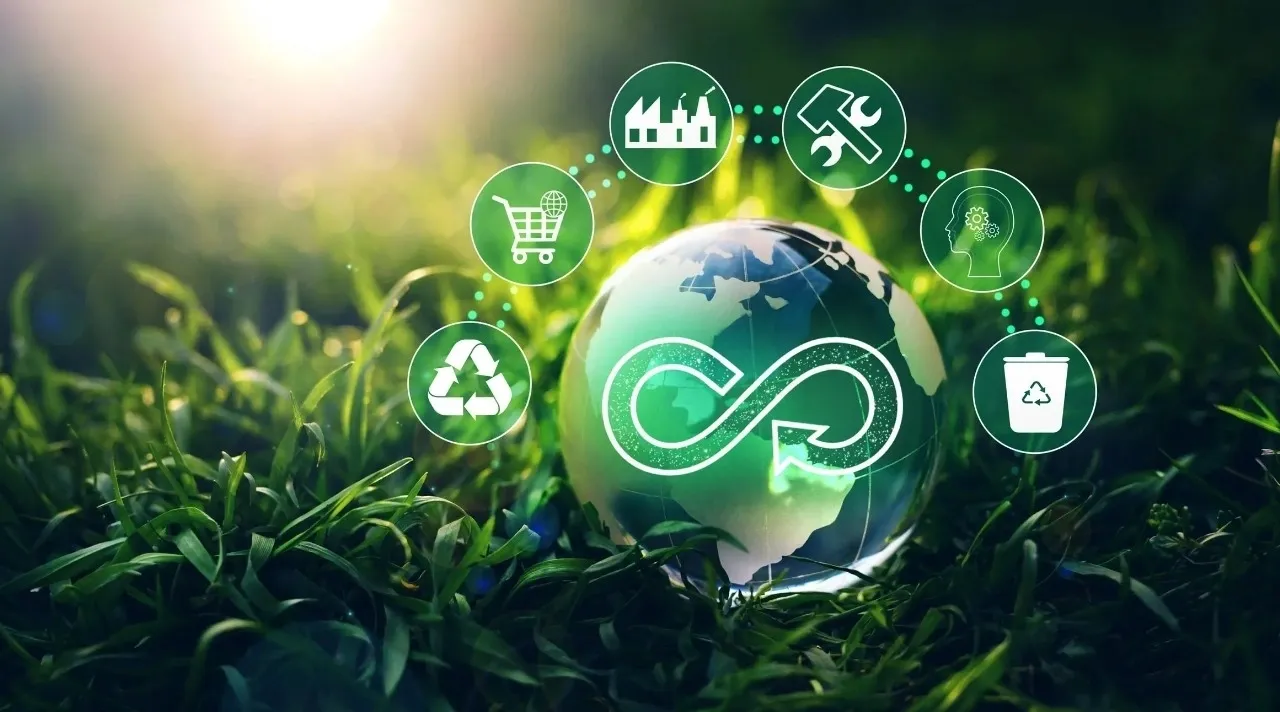
The circular economy is not just recycling more. It is a systemic redesign of how resources flow through the economy:
- Narrowing the loop: Using less resource per unit of output through design efficiency and dematerialisation.
- Slowing the loop: Extending product lifetimes through repair, refurbishment, and remanufacturing.
- Closing the loop: Recovering materials at end of life and reintroducing them as inputs - replacing virgin resource extraction.
Traceability as the Enabling Infrastructure
Here is the often-overlooked truth about circularity: you cannot circulate what you cannot trace. Every circular economy initiative - from EPR programmes to recycled content standards to secondary material markets - depends on verified data about what materials exist, where they are, and what condition they are in.
Paper-based waste records are fundamentally incompatible with circular economy requirements. Recyclers need verified incoming material data. EPR credit buyers need proof that recycling actually happened. Secondary material markets need quality documentation that can be trusted without physical inspection of every load.
Digital traceability platforms create the data infrastructure that makes circular flows possible at scale. When every tonne of C&D waste, every hazardous waste consignment, and every EPR-covered product has a verified digital identity from generation to reuse, the circular economy becomes an operational reality rather than an aspiration.
India's Circular Economy Opportunity
A 2021 report by the Ellen MacArthur Foundation estimated that a circular economy transition could deliver $624 billion in benefits to the Indian economy by 2050 through reduced material costs, improved energy efficiency, and new job creation in collection, sorting, and reprocessing.
The regulatory frameworks - EPR, C&D Waste Rules, Hazardous Waste Rules - are in place. The technology to enable traceability at scale exists. What remains is adoption: the willingness of producers, developers, and waste managers to move from analogue to digital, and from compliance-as-liability to circularity-as-opportunity.
Found this useful?
Share it with your network.