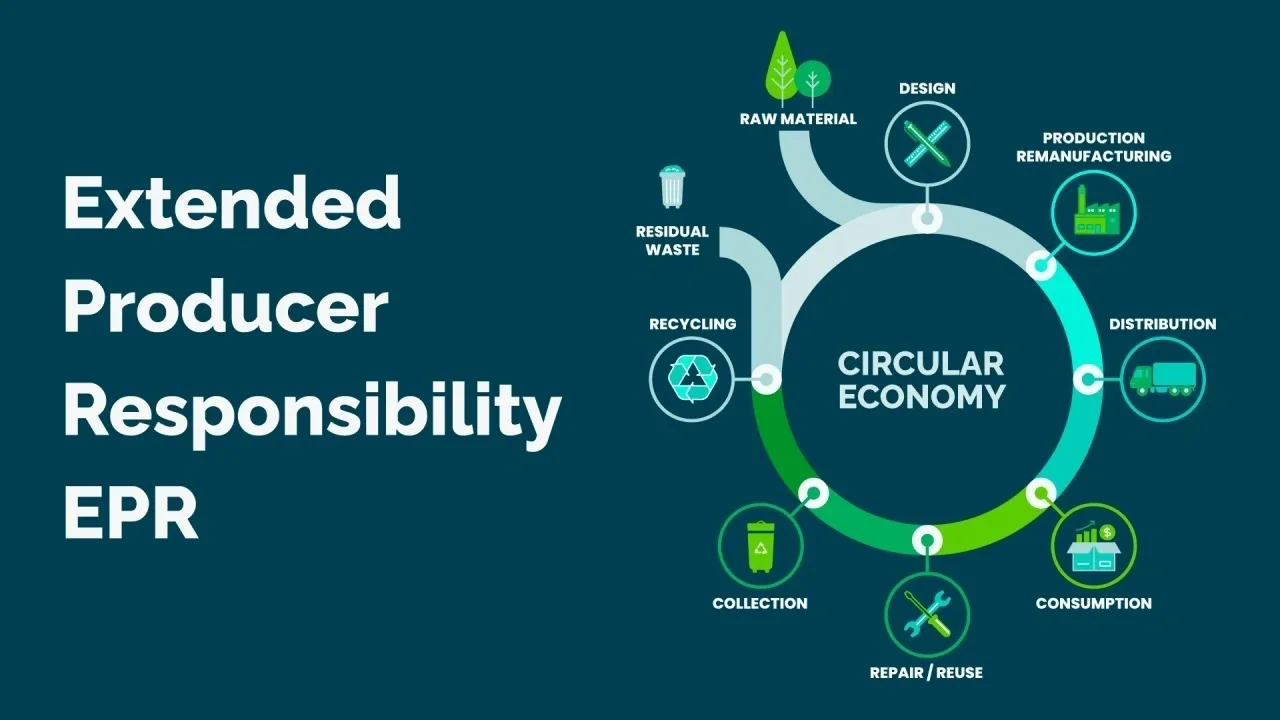
ESG - Environmental, Social, and Governance - has moved from a niche investor preference to a mainstream business imperative. In India, the regulatory push comes primarily through SEBI's Business Responsibility and Sustainability Report (BRSR) framework, which is now mandatory for the top 1,000 listed companies by market capitalisation.
Breaking Down the Three Pillars
Environmental (E)
This covers a company's impact on the natural world: greenhouse gas emissions, energy consumption, water withdrawal, waste generation and disposal, and biodiversity impact. For most Indian companies, waste management data is the weakest link - it's often based on estimates rather than verified measurements.
Social (S)
Social metrics include workforce safety, diversity and inclusion, supply chain labour standards, and community impact. For waste-intensive industries, worker safety at collection and processing facilities is a critical disclosure area.
Governance (G)
Governance covers board composition, executive pay ratios, anti-corruption policies, and how ESG risks are integrated into business strategy. Increasingly, investors look for board-level ESG oversight as a sign of genuine commitment.
Why Waste Data Is the Hardest ESG Metric to Get Right
Unlike energy consumption (which can be read off utility bills) or headcount (which HR systems track), waste data requires a chain of custody: how much waste was generated, what category it falls into, how it was transported, and what happened to it at the end. Without digital traceability, companies rely on transporter receipts that can be falsified and recycler invoices that don't prove actual recycling.
SEBI's BRSR Core framework (introduced for FY2023-24) requires independent assurance of nine key performance indicators - waste being one of them. This means the data needs to be not just reported but verifiable.
The Business Case for ESG Beyond Compliance
- Access to capital: ESG-linked loans and green bonds are priced at lower rates for companies with strong sustainability scores.
- Customer preference: B2B customers in export markets increasingly require supplier ESG documentation as part of procurement.
- Operational efficiency: Tracking waste often reveals cost-saving opportunities - reduced disposal costs, secondary material recovery, and energy savings.
- Risk management: Companies with poor waste management are exposed to regulatory penalties, reputational damage, and site remediation costs.
Getting Started
The first step is a baseline waste audit - understanding what waste streams your operations generate, in what quantities, and where they currently go. From there, digital tracking can replace manual recording, creating the audit trail that BRSR Core and investor due diligence require.
Found this useful?
Share it with your network.