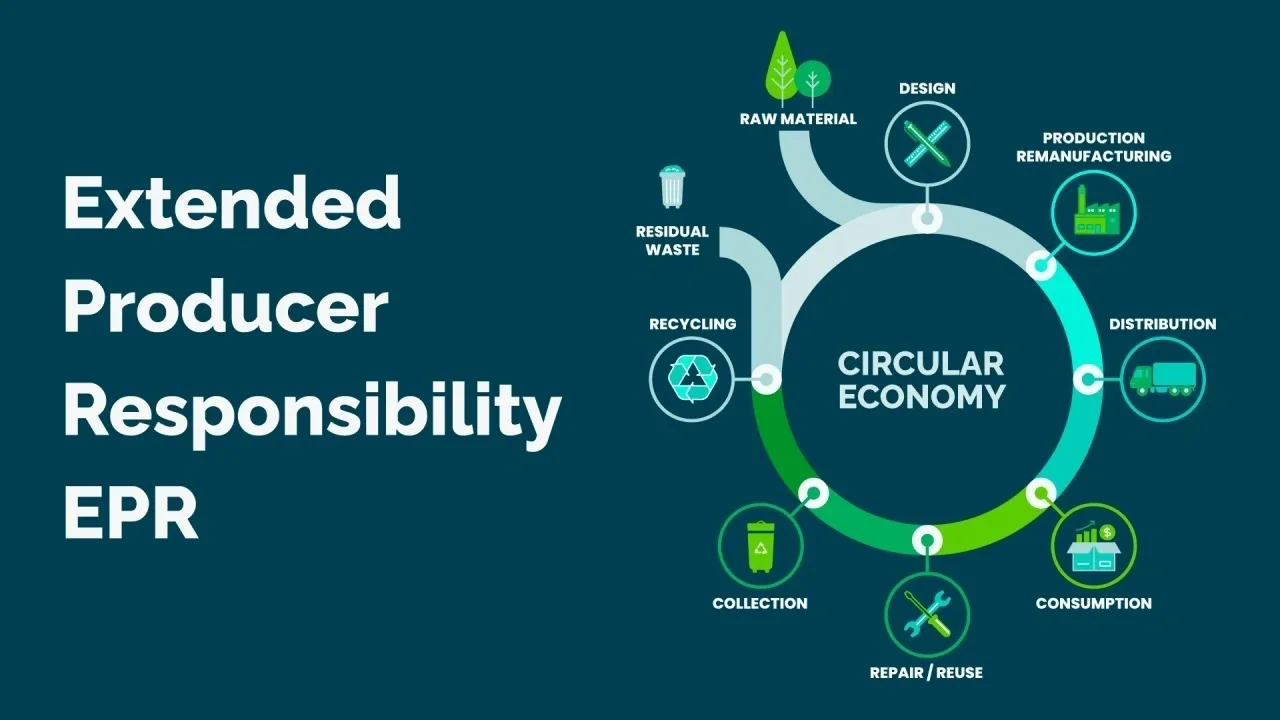
Extended Producer Responsibility (EPR) is a policy approach that holds producers, importers, and brand owners (PIBOs) accountable for the end-of-life management of the products they place on the market. In India, EPR is now law across multiple waste categories - and the compliance requirements are tightening every year.
Which Waste Categories Have EPR in India?
- Plastic Packaging Waste - Plastic Waste Management (Amendment) Rules, 2022. Targets apply to rigid, flexible, and multi-layered plastics.
- E-Waste - E-Waste (Management) Rules, 2022. Covers 21 categories of electrical and electronic equipment.
- Battery Waste - Battery Waste Management Rules, 2022. Covers all battery chemistries including Li-ion, lead-acid, and nickel-based.
- Tyre Waste - Extended Producer Responsibility Guidelines for Waste Tyres, 2024 (draft stage as of publication).
How EPR Works in Practice
The EPR framework in India operates through a credit system administered by the Central Pollution Control Board (CPCB). Producers are assigned annual collection and recycling targets based on their market volumes from two years prior. To meet these targets they can:
- Establish their own collection and recycling infrastructure.
- Partner with PROs (Producer Responsibility Organisations) who aggregate waste on their behalf.
- Purchase EPR certificates from registered recyclers on the CPCB portal.
Penalties for Non-Compliance
Shortfalls in EPR targets are treated as an Environmental Compensation (EC) liability - not just a regulatory fine. The EC rate is set at the cost of collection and recycling for the shortfall quantity, making non-compliance economically comparable to compliance. Persistent shortfalls can result in suspension of registration and import/manufacturing licenses.
How Digital Tools Help
The biggest compliance challenge is data - tracking how much product entered the market, how much waste was generated, and how much was actually collected and recycled, with verified documentation at every step. Platforms like Trace Resource automate this data pipeline: connecting brand registrations, transporter manifests, recycler certificates, and CPCB portal submissions into a single audit trail.
What Producers Should Do Now
- Register on the CPCB EPR portal for every applicable category.
- Baseline your annual plastic / e-waste / battery volumes placed on market.
- Engage a PRO or recycler network to build collection capacity for next year's targets.
- Implement digital tracking so every tonne of collection is documented end-to-end.
Found this useful?
Share it with your network.